
While travel is currently off the table, that doesn’t stop us daydreaming about future adventures. And today – to celebrate Earth Day 2020 – we’re feeling inspired to plan a trip to the world’s most eco-friendly destinations.
Here, Rachel Laidler rounds up five destinations that are helping to save the planet...
Chile
A narrow sliver hugging the western edge of South America, Chile is world-renowned for its spellbinding landscapes, whether it’s the pale crimson dunes of the Atacama Desert or the sculpted mountains of Torres del Paine National Park.
With such an abundance of natural beauty, it’s no wonder that the country is committed to protecting the environment. Back in 2018, the Chilean government decided to link together 17 of its total 41 national parks in a single land corridor. Covering 28 million acres in total – around three times the size of Switzerland – the Ruta de los Parques (“Route of Parks”) is one of the world’s largest stretches of continuous protected wilderness, and is home to an astounding 24 ecosystems.
The best way to discover this conservation haven is via the 1,740-mile (2,800-km) scenic route that snakes along its whole length, from Puerto Montt in the north to Puerto Williams on Chile’s southernmost tip. Along the way, you’ll pass through some of the country’s most spectacular scenery, from moss-draped rainforest and desolate volcanic fields to lush glacial valleys and vast grasslands. Keep an eye out for wildlife as you go, including sleek pumas, fuschia-feathered flamingos and elegant guanaco.
DK Chile and Easter Island
View BookSlovenia
Best known for picture-postcard Lake Bled and the soaring Julian Alps, Slovenia is one of Europe’s greenest countries – literally. Almost 60 percent of this relatively uncharted destination is blanketed by sweeping swathes of unspoilt forest.
But the country’s environmental credentials go far beyond trees. Slovenia has recently set up a "Green Scheme" to improve ecotourism in the country, where tour operators and accommodation providers can be awarded a “green” seal of approval if they meet certain sustainability criteria. Happily, this makes it super easy to enjoy eco-friendly travel in Slovenia – simply check that the tours and hotels you’re booking have this certification.
Even destinations can be certified in the scheme, with both picturesque Bled and the country’s student-filled capital, Ljubljana, coming top of the list for their eco-friendly policies and activities. So, why not take a pletna (traditional wooden boat) across Lake Bled’s shimmering surface? Or cycle along the car-free streets of Ljubljana before kicking back in one of the city’s leafy parks, which, amazingly, cover a third of the city.
Costa Rica
Costa Rica is making incredible headway in tackling its carbon footprint. Almost all of its electricity is generated from renewable sources, and the country plans to be carbon neutral by 2021.
Beyond tackling CO2, this lush Central American country is also one of the most biodiverse places on earth, something it safeguards by protecting a quarter of its land by law. A visit to one of Costa Rica’s national parks reveals an astonishing diversity of wildlife – expect to spy easygoing sloths and jewel-bright quetzals, hooting howler monkeys and eye-catching red-eyed tree frogs. With such a profusion of life, it’s easy to see why Ticos (Costa Ricans) greet each other with the phrase pura vida (“pure life”).
As a traveler, there are plenty of ways you can help protect and enhance Costa Rica’s biodiversity. Volunteer to tag nesting green sea turtles in Parque Nacional Tortuguero or help release endangered species back into the wild at Rainsong Wildlife Rescue Center in Montezuma. You can even give back when you’re chilling out, thanks to the country’s abundance of eco-friendly lodges.
DK Eyewitness Sweden
View BookSweden
Swedes take their responsibility to protect the environment seriously: not only does the country source over half of its energy from renewable sources, it is also home to two of Europe’s most sustainable cities – Stockholm and Gothenburg. Even better, Sweden was the second country in the world to adopt an ecotourism charter.
This environmentally-friendly focus is intrinsically tied to the country’s love of nature. For Swedes, life is lived in the great outdoors, whether that’s foraging for berries in a peaceful forest, wild swimming in a breathtakingly cold lake or huddling around a roaring campfire. Here, allemansrätten – the right to roam freely in natural places, providing you leave no trace – is enshrined by law, giving endless opportunities for exploration.
Sweden has even created its own eco-certification, "Nature’s Best", for tour operators. This label, the first of its kind in Europe, ensures tour companies are abiding by a strict environmental code of conduct – so you can be sure you’re leaving this spectacular country exactly as you found it.
DK Eyewitness Sweden
View BookSingapore
With almost a third of its land covered by vegetation, Singapore definitely deserves its nickname of "the Garden City." Green spaces are threaded throughout this island city-state, from the verdant Botanic Gardens to the forested slopes of Mount Faber.
What’s more, the city is set to get even greener. All new buildings in Singapore must now include some form of plant life, such as tumbling vertical gardens, green roofs or living walls, as well as solar panels and rainwater harvesting. In fact, the city wants to increase the number of buildings that hold its "Green Mark" certification to 80 percent over the next ten years.
Nowhere is Singapore’s attempt to create a true urban jungle better seen than in the Gardens by the Bay. Covering 250 acres, these incredible gardens – designed to have sustainable cycles in energy and water – are utterly spellbinding. Visit them to wander through the futuristic Supertree Grove, soaring "trees" made from metal and draped in foliage, or enter the mist-shrouded Cloud Forest, home to rare plants and the world’s tallest indoor waterfall.
Read next
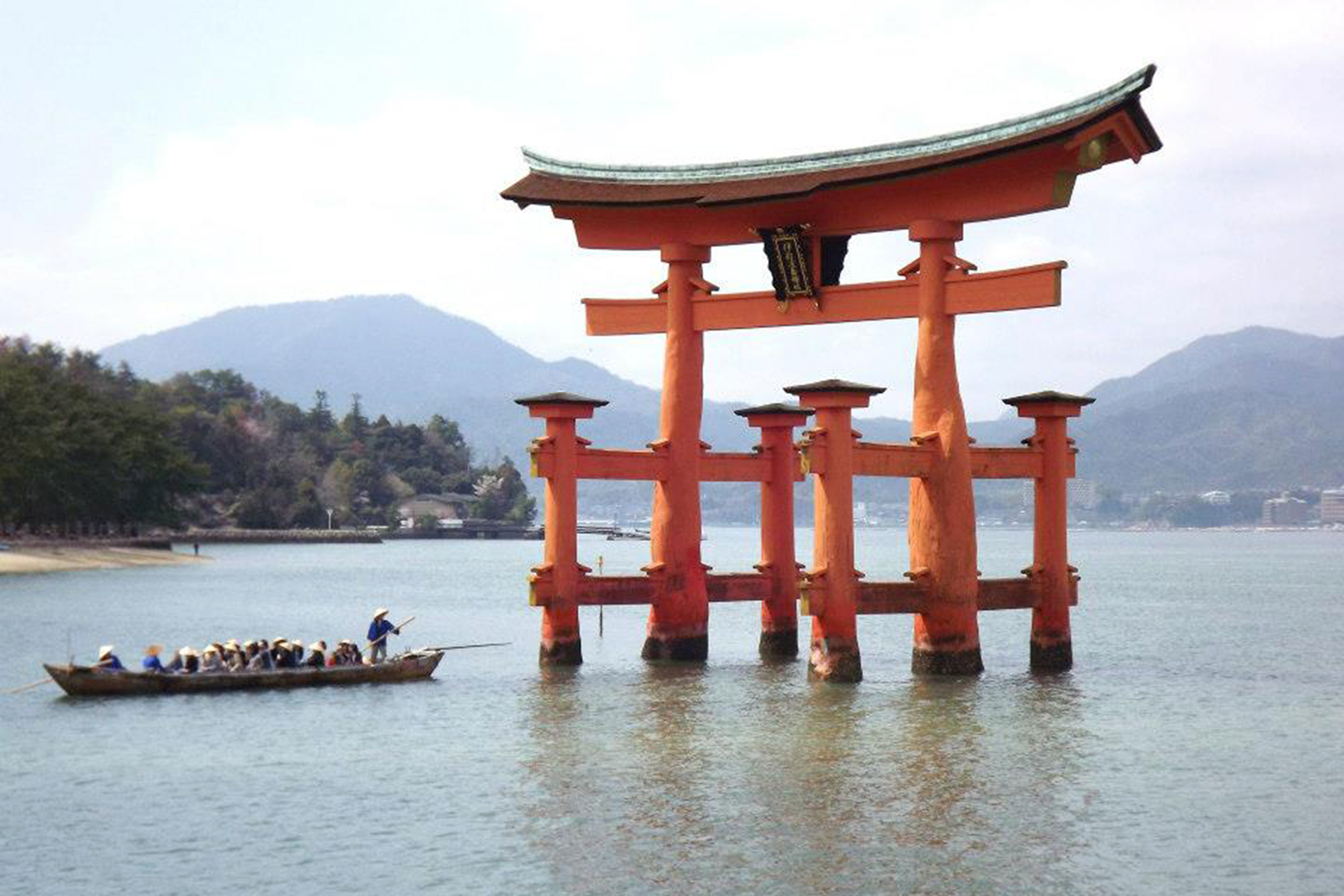
Now isn’t the time for going places. However, as we spend the coming weeks mostly indoors, we can still dream about travel, plan future adventures and revisit ones we’ve taken before. This is exactly what we’ve asked our team to do – to dream and reflect. Here are 12 memorable trips taken by the DK Eyewitness team, featuring eclipses, safaris, cycling treks, pilgrimages, bunnies, toboggans and ancient ruins.
How to be an armchair traveler

Just because you can’t escape to a new adventure right now doesn’t mean you should stop dreaming. There are ways to remain inspired, whether you’re surfing the internet on your phone, lounging at home, or sipping coffee at your local cafe. Being an armchair traveller is all about learning about and reflecting, and ultimately engaging with far-flung places without ever needing to leave home.
To hear more from DK Eyewitness, follow us on Instagram