

A country with one of the highest life expectancies, Japan certainly must be doing something right when it comes to wellness. Below we share the mindful philosophies and healthy habits central to Japanese life that you can incorporate into your own every day.
Be More Japan
View BookThe way of tea
1,200 years after it was first brought to Japan from China by Buddhist monks, green tea is a firm fixture of everyday life. It’s a healthy habit to acquire – green tea is not only packed with vitamin C, but also contains antioxidants. Research has linked regular consumption of green tea to numerous health benefits, including reduced risk of cardiovascular disease and strokes, lower levels of bad cholesterol, and potential anticancer effects.
The Japanese tea ceremony is a good example of being totally present: this highly choreographed ritual has been perfected over centuries to clear the mind by focusing on the moment. The exact way to whisk powdered green tea and hot water into a frothy matcha, the placement of tea utensils, even the vocabulary – all are strictly prescribed. Consider incorporating the ideas behind the tea ceremony at home: use this as a time to disconnect and focus only on the preparation and enjoyment of your tea without any distractions.
The Japanese tea ceremony is a good example of being totally present: this highly choreographed ritual has been perfected over centuries to clear the mind by focusing on the moment. The exact way to whisk powdered green tea and hot water into a frothy matcha, the placement of tea utensils, even the vocabulary – all are strictly prescribed. Consider incorporating the ideas behind the tea ceremony at home: use this as a time to disconnect and focus only on the preparation and enjoyment of your tea without any distractions.
The art of paper folding
It starts with one simple fold, then another and another, until a single sheet of paper is crafted into an elegant design, all without the aid of scissors or glue. Origami is a popular hobby in Japan where there are whole museums dedicated to the art. Widely recognized as a way to reduce stress, origami is the perfect hobby to pick up during lockdown and requires very little to get started. It is also a great way to help children learn geometry, spatial visualization and fine motor skills.
One of the most iconic origami designs, the crane, is considered auspicious in Japan. It is believed that anyone who can fold 1,000 cranes will have their wish granted – how’s that for a new year challenge?
One of the most iconic origami designs, the crane, is considered auspicious in Japan. It is believed that anyone who can fold 1,000 cranes will have their wish granted – how’s that for a new year challenge?
The traditional diet
Healthy living is practically ingrained into the everyday through the traditional diet. Typical Japanese meals are lean and balanced, consisting of a bowl of rice, miso soup, a piece of meat or fish, with vegetables and green tea. These and other time-honored foods help protect against heart disease, obesity, and many other disorders. The Japanese are also major consumers of heart-healthy fish and soy-beans, from fresh edamame and tofu to fermented natto, which offers probiotic qualities if you can get over its slimy texture. Both fresh and pickled vegetables are a staple, as is seaweed, which contains essential nutrients and antioxidants.
Even the Japanese style of dining – consisting of several small dishes rather than a single plate piled high with food – is said to encourage mindful eating.
Okinawa Prefecture in Japan is particularly famous for its healthy elderly population who have become global icons for wellness. The warm climate of this tropical island chain is definitely a factor here, as is the traditional, plant-based diet. Try adopting some of their traditions for your own well-being, like following the rule of “hara hachi bu”– which means you stop eating when your belly is 80 percent full.
Even the Japanese style of dining – consisting of several small dishes rather than a single plate piled high with food – is said to encourage mindful eating.
Okinawa Prefecture in Japan is particularly famous for its healthy elderly population who have become global icons for wellness. The warm climate of this tropical island chain is definitely a factor here, as is the traditional, plant-based diet. Try adopting some of their traditions for your own well-being, like following the rule of “hara hachi bu”– which means you stop eating when your belly is 80 percent full.
Keeping active
For older Japanese people, exercise has been part of the daily routine since rajio taiso (radio calisthenics) was introduced by national broadcaster NHK in the 1920s. The program is still going today, providing an early-morning workout that takes listeners through 15 minutes of movements to kick-start the day.
Of course, a 6:30am workout is often the last thing on busy minds in the morning these days, and rajio taiso is not as popular as it once was. Still, about one-third of the population walks or takes to their bicycles as part of their morning commute or daily errands, so staying active is still integrated into many people’s routines.
Working from home can make it all too easy to lead a sedentary life, particularly in winter when the days are shorter and colder. However, making time for a 30 minute walk a day can vastly improve your overall health.
Of course, a 6:30am workout is often the last thing on busy minds in the morning these days, and rajio taiso is not as popular as it once was. Still, about one-third of the population walks or takes to their bicycles as part of their morning commute or daily errands, so staying active is still integrated into many people’s routines.
Working from home can make it all too easy to lead a sedentary life, particularly in winter when the days are shorter and colder. However, making time for a 30 minute walk a day can vastly improve your overall health.
Finding happiness
It's no secret that stress, fear and anxiety are on the rise. This is one reason why the Japanese concept of ikigai has become more important than ever. Your ikigai is the reason you get up in the morning; intensely personal, it’s about doing what you love and what you’re good at, whether it’s work or a hobby.
Finding your ikigai gives you inspiration and confidence and purpose, so take some time to figure it out. It may even help you to live longer—ikigai could be a contributing factor to Japan’s famous long-living communities, as continuing to get out and enjoy their ikigai helps the older generations stay happy and active.
Finding your ikigai gives you inspiration and confidence and purpose, so take some time to figure it out. It may even help you to live longer—ikigai could be a contributing factor to Japan’s famous long-living communities, as continuing to get out and enjoy their ikigai helps the older generations stay happy and active.
Read next
Why Japanese whisky is so good

Whisky production is a relatively new craft in Japan, but the country’s distillers have wasted no time in making their mark on the industry. In this extract from Be More Japan, we look at the origins of Japanese whisky, how the Japanese drink it and what makes it so good.
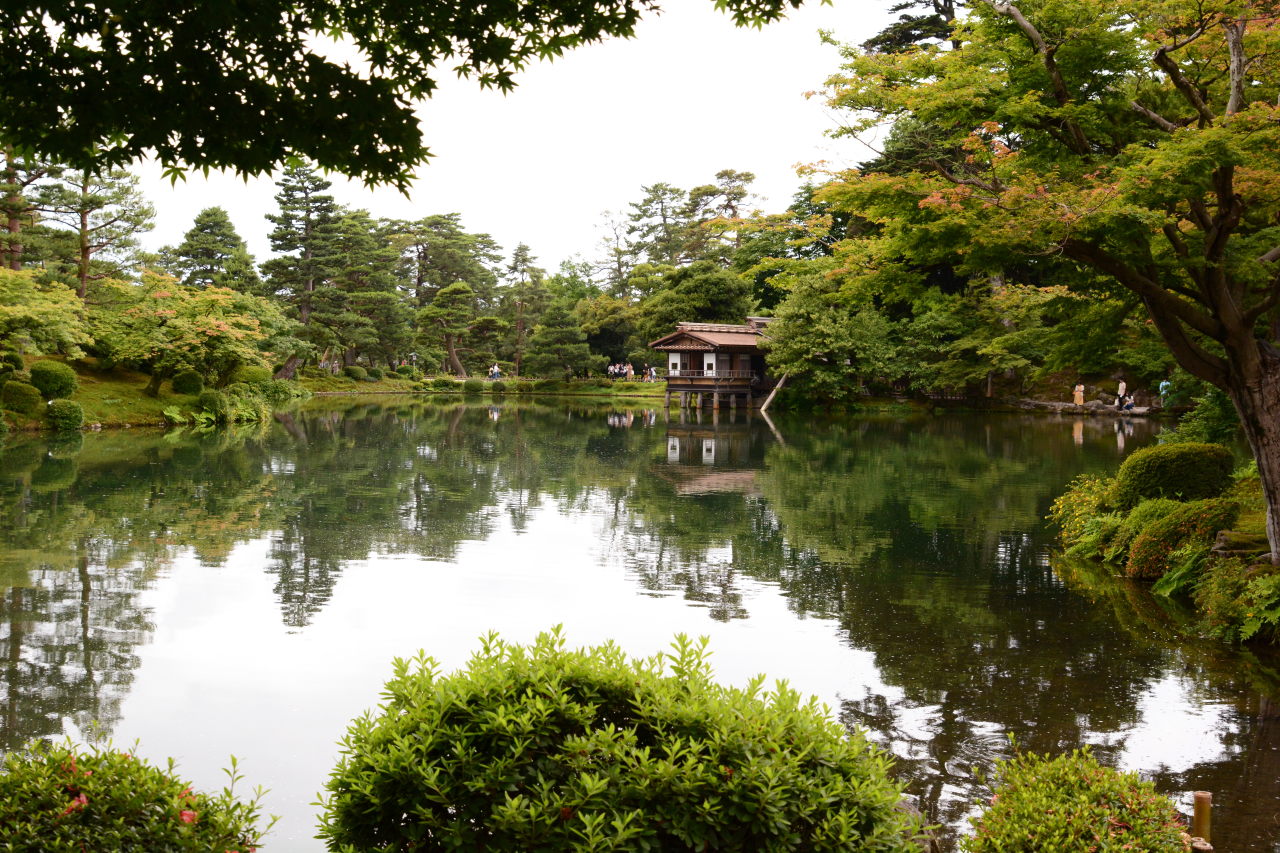
Searching for garden inspiration? Look no further than our list of the most incredible Japanese gardens. Perfectly designed to reflect the seasons, these spots are serene, otherworldly oases.